Our Production Processes

Specialty Coffee Journey
-
Germination
-
Nursery Bagging
-
Field Planting
-
Special Care (coffee farm management)
-
Vegetative Growth
-
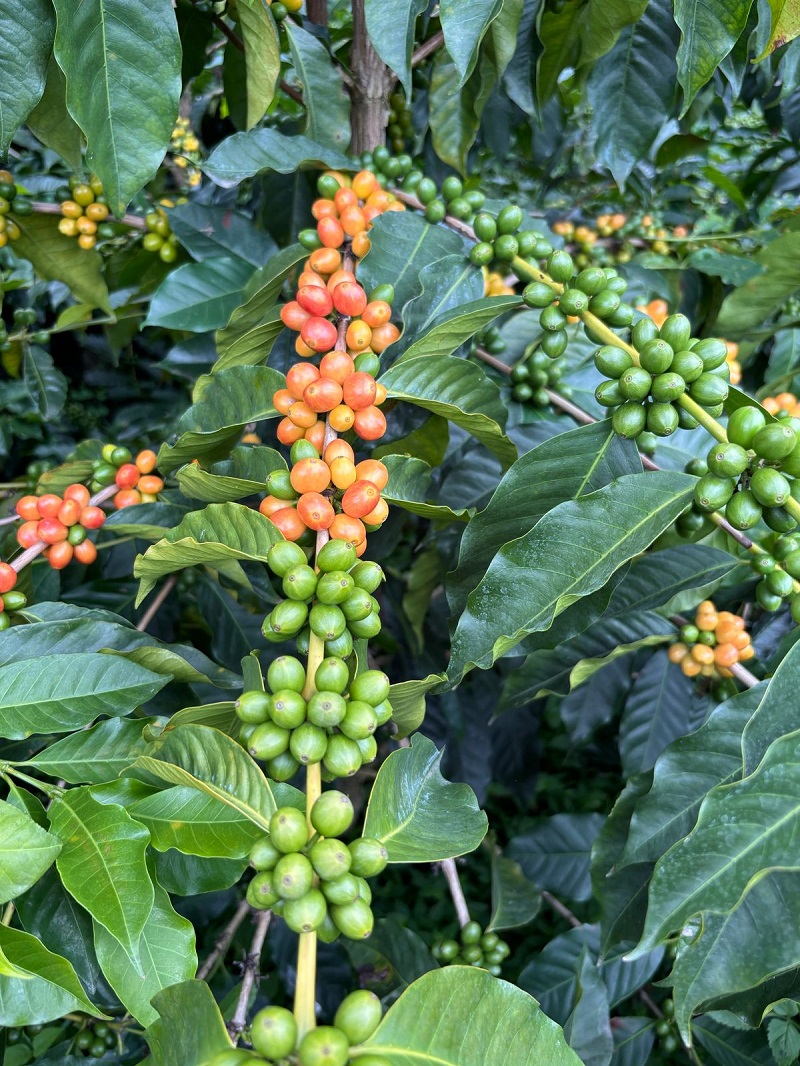
Selective Hand-Picking
-
Washing with Spring Water
Fermentation -
Pulping and Mucilage Removal
-
Drying (Parchment)
-
Hulling (removal of the husk)
-
Green Coffee Selection (by size and color)
-
Roasting (by lot with controlled profiles)
-
Grinding (for brewing / consumption)
-
Packaging and Final Presentation
Terroir 1
Climate
Climate is one of the most influential variables of coffee terroir, as it regulates fruit maturation and, therefore, the concentration of sugars and aromatic precursors. Key factors include wind, humidity, temperature, and rainfall. Wind is particularly relevant because it can carry plant hormones and ethylene, both associated with the ripening process.
Fauna
Fauna (insects, pollinators, birds, and mammals) is a living indicator of terroir: it contributes to fertilization during flowering and acts as an ecological barometer of the environment.
Soil
Soil is the “hidden engine” of terroir: it determines nutrient availability, water retention, drainage, and the chemical balance that directly impacts coffee plant development. The document emphasizes four key aspects: physical and chemical properties, microbiological activity, organic matter, and pH (calcium/aluminum balance).
Terroir 2
Flora
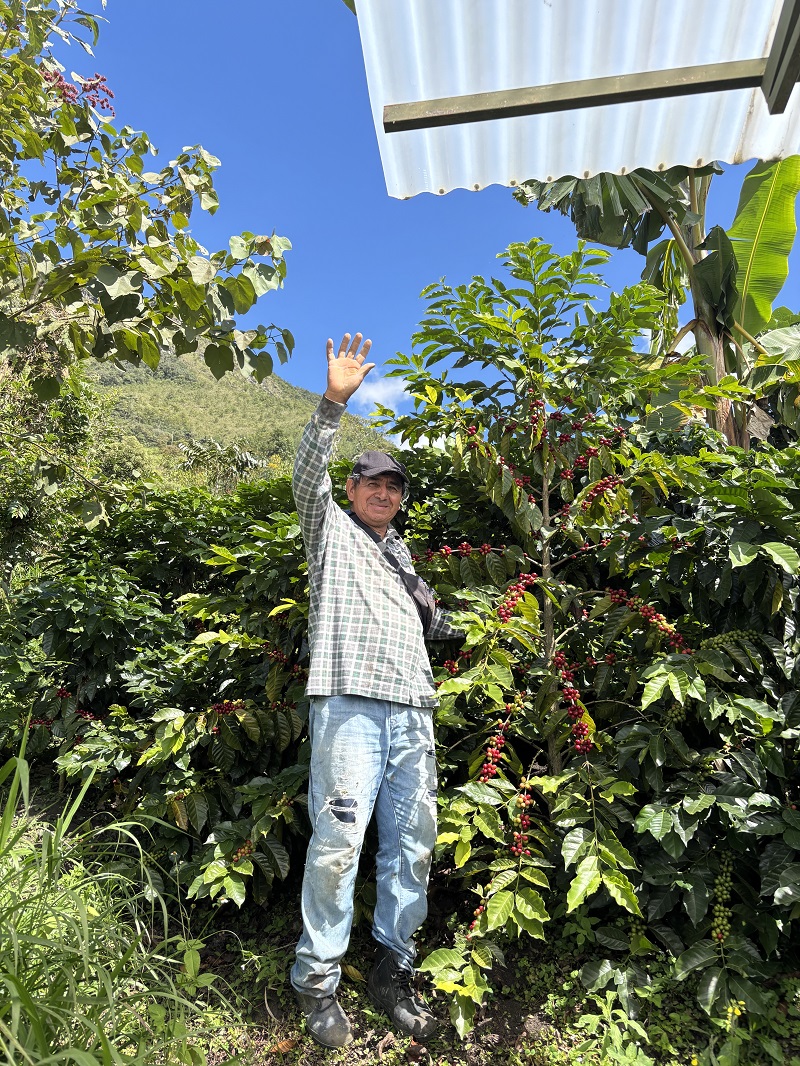
Flora within the terroir includes both companion crops and shade trees (planted or native) within or around the farm. This creates microclimates, protects the soil, and supports biodiversity. The document references species such as oaks, cedars, pines, and pajurillo, as well as the contrast between organic practices and conventional agriculture.
Geographical Area
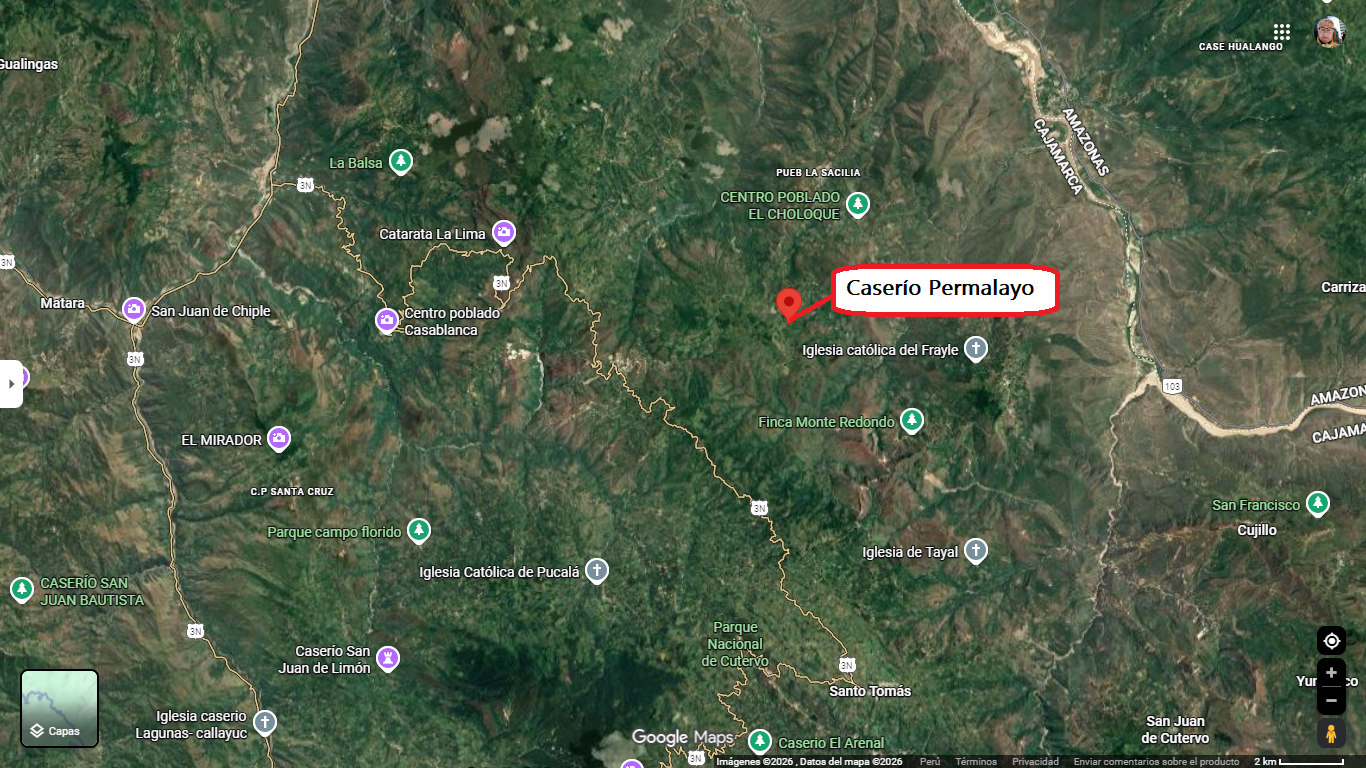
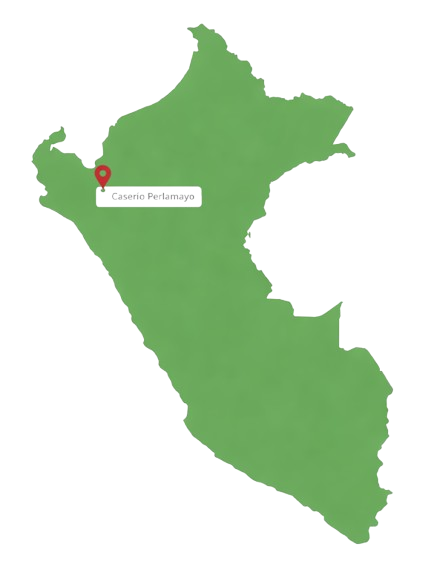
The geographical area (region) provides the macro context of terroir: proximity to pristine zones, highland ecosystems, forests, or tropical jungles can enhance biodiversity and environmental stability.
Terrain
Terrain summarizes the physical characteristics of the location: slope, elevation (masl), and proximity to coastlines or volcanic areas. These factors determine drainage, solar radiation, microclimates, and the “pace” of maturation.
Growing Regions